
Does my pet have weight to lose? Having a healthy pet is an essential concern for any responsible pet owner. One of the most common health problems among pets is being overweight. Sustained weight gain can lead to obesity, which in turn can cause serious health problems such as orthopedic disorders, endocrine conditions (diabetes mellitus), and cardiovascular disease.
Maintaining a healthy weight is crucial for your pet’s well-being and lifespan. Obesity in dogs and cats has become increasingly common and can lead to severe health problems if not addressed early.
Why Monitor Your Pet’s Weight?
Excess weight increases the risk of:
- Orthopedic issues (arthritis, joint pain)
- Diabetes mellitus
- Heart disease
- Respiratory problems
- Shortened lifespan
📊 According to the Association for Pet Obesity Prevention (2022):
61% of cats and 59% of dogs in the U.S. are overweight or obese.
How to Assess If Your Pet Needs to Lose Weight
First of all, take a close look at your pet’s physical appearance from different angles. An overweight pet will generally have a rounded silhouette and lack definition around the waist.
Next, gently palpate your pet’s ribs. Ideally, you should be able to feel them under a thin layer of fat, but they shouldn’t be protruding. If you can’t feel the ribs at all, or if you find a thick layer of fat, this indicates overweight.
If you have any doubts or concerns about your pet’s weight, it’s advisable to seek medical advice.
To avoid weight gain or obesity in your pet, it’s important to follow a few simple recommendations.
Observe Body Shape
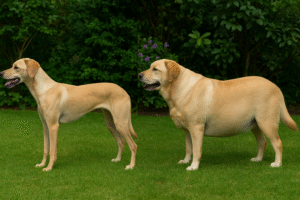
Top view: visible waist behind the ribs.
Side view: a slight abdominal tuck should be noticeable.
Feel the Ribs
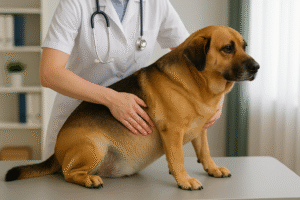
You should feel the ribs under a thin fat layer.
If ribs are hard to feel or covered by thick fat → likely overweight.
Watch for Other Signs
- Reduced mobility
- Rapid breathing
- Lethargy
- Exercise intolerance
When to See a Veterinarian?
If unsure, schedule a vet consultation to:
- Assess body condition score (BCS)
- Establish target healthy weight
- Create a personalized diet plan
- Provide regular weight monitoring
👉 Click here to book your weight evaluation appointment.
Preventing Obesity in Pets
First of all, respect the food quantities indicated by manufacturers on dry pet food packaging. Offer high-quality food and avoid feeding your pet table food. Make sure your pet gets regular exercise, whether through walks, running sessions, or interactive games. Be mindful of how many treats you give your pet each day, as these can contribute to excessive weight gain.
Manage Feeding
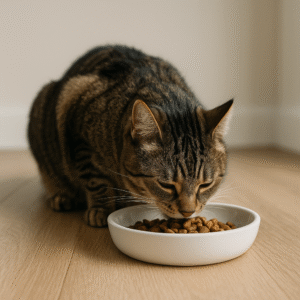
- Follow manufacturer’s recommended portions.
- Choose high-quality veterinary diets.
- Avoid table scraps.
Limit Treats
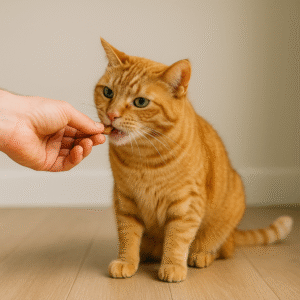
Treats add up quickly in calories.
Use healthy rewards or divide portions.
Encourage Physical Activity
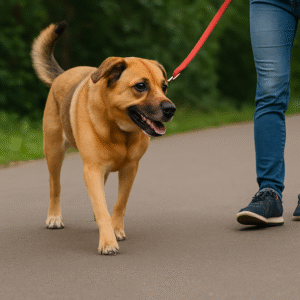
- Daily walks
- Interactive games
- Activities suited to your pet’s age and health
By taking these preventive measures, you can help keep your pet healthy and avoid obesity-related problems.
The following document can help you. Get it now!
Conclusion
Obesity in pets is preventable. Early intervention improves your companion’s long-term health and quality of life. Regular follow-ups and nutritional adjustments often restore healthy weight safely.
Version Française ici!

